Hearing is a vital part of how we connect with the world. It helps us engage in conversations, enjoy music, and remain alert to our surroundings. But when hearing starts to fade, it can significantly affect our quality of life. Understanding the different types of hearing loss is the first step in recognizing the issue and seeking appropriate help.
In this blog, we will explore the different types of hearing loss, their causes, symptoms, treatment options, and some key tips to manage and prevent further damage.
What is Hearing Loss?
Hearing loss occurs when there’s a problem with one or more parts of the ear or the auditory system. It can range from mild to profound and may happen suddenly or gradually over time. Millions of people across the world suffer from hearing loss—some even without realizing it.
The human ear consists of three main parts: the outer ear, the middle ear, and the inner ear. These parts work together to collect sound waves, turn them into vibrations, and send signals to the brain. When there’s a disruption in this process, hearing loss can occur.
What are the Different Types of Hearing Loss
Here we will discuss different types of hearing loss, their primary cause, and treatment. Hearing loss is typically categorised into four main types. Here is a brief discussion of the four types:
1. Conductive Hearing Loss
This type occurs when sounds cannot pass from the outer ear to the inner ear. It often results from blockages or damage to the outer or middle ear.
Common causes:
- Earwax buildup
- Ear infections
- Perforated eardrum
- Abnormal bone growth
Treatment:
Conductive hearing loss can often be treated with medication, surgery, or simple procedures like earwax removal.
2. Sensorineural Hearing Loss (SNHL)
This is the most common type of permanent hearing loss. It occurs due to damage to the inner ear (cochlea) or the auditory nerve.
Common causes:
- Ageing (presbycusis)
- Exposure to loud noise
- Genetic factors
- Head trauma
- Certain medications
Treatment:
While sensorineural hearing loss is usually irreversible, hearing aids and cochlear implants can help manage it.
3. Mixed Hearing Loss
Mixed hearing loss is a combination of both conductive and sensorineural hearing loss. It means there is damage in both the outer/middle ear and the inner ear or auditory nerve.
Causes may include:
- Chronic ear infections combined with inner ear damage
- Traumatic injuries
Treatment:
Treatment depends on the individual causes. A combination of medical, surgical, and hearing aid solutions may be necessary.
4. Auditory Neuropathy Spectrum Disorder (ANSD)
In this type of hearing loss, the ear receives sounds normally, but the signals are not properly transmitted to the brain.
Symptoms include:
- Fluctuating hearing ability
- Difficulty understanding speech, especially in noise
Treatment:
Options may include hearing aids, cochlear implants, or other assistive devices.
Common Causes of Hearing Loss
Understanding what causes hearing loss can help in prevention:
- Ageing – Most people over the age of 60 experience some degree of hearing loss.
- Noise exposure – Loud music, industrial noise, or explosions can cause lasting damage.
- Ear infections – Repeated infections can damage the middle ear structures.
- Genetics – Some people are born with hearing loss or develop it due to inherited conditions.
- Certain medications – Drugs like chemotherapy or antibiotics may be ototoxic.
- Head trauma – Injuries to the head can affect hearing function.
Symptoms to Watch Out For
Many people with hearing loss don’t realize they have it. Be on the lookout for:
- Frequently asking people to repeat themselves
- Turning up the TV or radio volume too high
- Difficulty understanding speech in noisy places
- Ringing in the ears (tinnitus)
- Withdrawal from social situations
Diagnosis of Hearing Loss
If you or a loved one is showing signs of hearing loss, like asking others to repeat themselves frequently or struggling to follow conversations, it’s essential to seek professional help. The earlier the hearing loss is diagnosed, the better the chances of effective treatment or management.
1. Physical Examination of the Ears
A doctor or ENT (ear, nose, and throat) specialist will begin with a visual inspection of the ears using an otoscope. This helps identify any visible issues such as:
- Earwax blockage
- Infections or fluid buildup
- Damage to the eardrum
- Foreign objects in the ear canal
This step helps determine if the hearing loss is due to a temporary or treatable condition.
2. Hearing Tests (Audiometry)
An audiologist will conduct a series of hearing tests, commonly referred to as pure-tone audiometry, to assess how well you can hear different sounds, pitches, and volumes. During this test:
- You wear headphones and respond to various tones.
- The results are plotted on an audiogram, which shows the degree and type of hearing loss.
- This test helps distinguish between conductive, sensorineural, or mixed hearing loss.
3. Tympanometry and Tuning Fork Tests
Tympanometry is a test that evaluates the movement of your eardrum in response to air pressure changes. It helps diagnose:
- Middle ear infections
- Fluid buildup
- Eustachian tube dysfunction
- Perforated eardrums
Tuning Fork Tests, such as the Rinne and Weber tests, use a metal fork to assess how sound is conducted through air and bone. These tests help determine whether hearing loss is conductive or sensorineural.
4. Speech and Word Recognition Tests
In addition to tone tests, audiologists often perform speech recognition tests to measure how well you understand spoken words. These tests are crucial because some individuals may hear sounds but struggle to understand speech, especially in noisy environments.
5. Advanced Imaging (if needed)
In some cases, imaging tests like MRI or CT scans may be recommended to rule out structural problems or neurological conditions, especially when hearing loss occurs suddenly or is associated with other symptoms like dizziness or facial weakness.
Treatment Options Based on Type
Hearing Aids
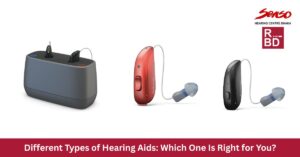
These are electronic devices that amplify sound. They come in various styles and features, and it’s important to choose the right hearing aids based on your hearing test results and lifestyle needs.
Cochlear Implants
For those with severe sensorineural hearing loss who don’t benefit from hearing aids, cochlear implants can be a solution.
Surgical Treatments
For some conductive or mixed hearing loss cases, surgery may be recommended to correct structural issues.
Assistive Listening Devices & Therapy
FM systems, speech-reading training, and communication strategies can support hearing in challenging environments.
Preventing Hearing Loss
Preventive measures go a long way in protecting your hearing:
- Wear ear protection in noisy environments
- Avoid prolonged exposure to loud music
- Keep your ears clean, but don’t use cotton swabs inside
- Treat ear infections promptly
- Have regular hearing checkups
Real-World Example: Hearing Aids in Bangladesh
If you’re experiencing hearing loss and reside in South Asia, there are numerous reliable options available. For instance, people often look for a Hearing aid Bangladesh provider that offers personalized solutions and affordable pricing. Choosing from the top hearing aid providers in Bangladesh ensures you receive quality products and professional aftercare.
Final Words
Understanding the different types of hearing loss helps recognise early signs and take proper action. From mild difficulties in conversation to complete deafness, the impact of hearing loss can vary, but solutions exist. Whether through medical treatment, hearing aids, or assistive devices, there are ways to regain control and improve communication. If you or someone you know is experiencing symptoms, don’t wait. Schedule a hearing test and explore treatment options suited to your needs.
FAQs
Can children have hearing loss?
Yes, hearing loss can be present at birth or develop later due to infections or injury.
Is hearing loss always permanent?
Not always. Conductive hearing loss can often be treated, while sensorineural loss is usually permanent but manageable.
What does sensorineural hearing loss mean?
Sensorineural hearing loss is caused by damage to the inner ear (cochlea) or the auditory nerve. It’s the most common type of permanent hearing loss and is typically treated with hearing aids or implants.
Is hearing loss a normal part of ageing?
Yes, age-related hearing loss (presbycusis) is common in people over 60. However, it can be managed effectively with hearing aids and regular ear checkups.
Can loud music or noise cause permanent hearing loss?
Yes. Long-term exposure to loud sounds—whether from music, machines, or explosions—can lead to permanent sensorineural hearing loss. Using ear protection can help prevent it.
How often should I get my hearing tested?
Adults should get a baseline hearing test at least once after age 21 and then every 3–5 years. If you’re experiencing symptoms or work in a noisy environment, more frequent testing is advised.